


Introduction: Not All Clear Glass Bottles Are Created Equal
Here is a fun fact that surprises many first-time buyers: “clear” glass is rarely perfectly clear. Almost all glass liquor bottles on the market today contain small amounts of iron impurities left over from raw materials. Iron gives glass a subtle green or bluish tint — and the more iron, the greener the bottle looks, especially in thicker sections like the base or shoulder.
This is exactly why the glass industry created grades. Not all glass bottles for liquor are made from the same recipe, and not every bottle deserves the same recipe. Choosing the wrong grade can make an $80 bourbon look like $8 mouthwash. Choosing the right one can make a mid-range product photograph like a luxury brand.
For liquor bottle manufacturers, retailers, wholesalers, and alcohol brands, the practical question is not “Which glass is the best?” It is “Which glass grade best fits this bottle, product, decoration plan, and price position?” This guide explains the difference between the three main grades and shows how to make a more balanced decision.
Why Does Glass Grade Matter for Spirits Bottles?
Glass Material Is More Than Just Appearance
At first glance, glass grade seems like an appearance issue. But it is really about three things working together: clarity, cost, and consistency.
The relationship between glass grade and bottle clarity is direct. Standard flint glass typically contains 0.1% to 0.3% iron oxide, which produces a faint greenish cast. High flint reduces iron content significantly, usually below 0.05%, giving a noticeably brighter, more water-white appearance. Super flint goes further still, pushing iron content to near-negligible levels and delivering exceptional transparency — the kind that makes a clear spirit literally sparkle.
Here is something many buyers miss: thicker parts of a bottle reveal differences in glass color much more dramatically. Hold a standard flint 750ml glass bottle up to the light and look at the heavy glass base. That green stripe? That is iron. On a super flint glass vodka bottle, the base stays almost perfectly clear.
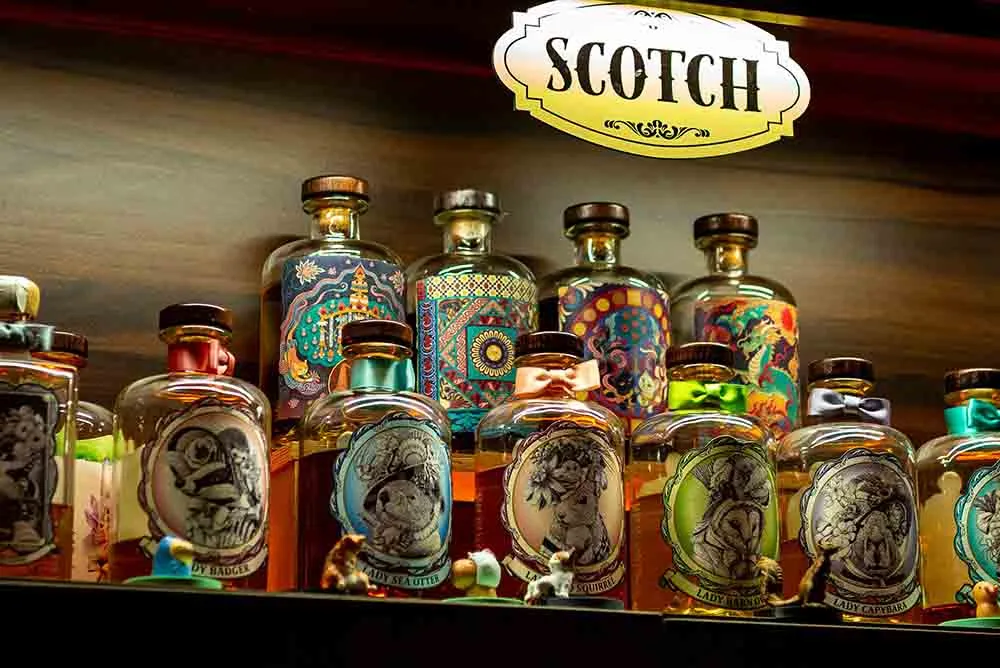
Why does this matter for perceived value? Because consumers judge liquor with their eyes first. Studies in retail behavior consistently show that packaging influences purchase decisions, with a large share of consumers saying shelf appearance directly affects what they buy. A bottle that lets the liquid shine looks fresher, purer, and more premium — before a single sip is poured.
The Connection Between Glass Grade and Packaging Cost
Now for the practical part. The clearest glass is not always the smartest business decision. Super flint commands a higher price — often 15% to 30% more per unit than high flint, depending on the bottle design and order quantity. That premium pays for purer raw materials, tighter production controls, and stricter quality inspection.
For many brands, especially those entering competitive mid-range categories, that extra cost buys something customers will barely notice. If your target buyer picks up a bottle, glances at the label, and checks the price tag, an ultra-clear base is not what closes the sale.
The smarter approach is balancing appearance, budget, and positioning. A well-chosen glass grade keeps your packaging cost under control while still delivering the look your market expects. That savings can then go toward better decoration, a nicer closure, or simply healthier margins.
How Glass Grade Affects Your Brand Image
Premium spirits need premium-looking packaging — that part is obvious. A super flint glass whiskey bottle with deep embossing and a heavy base tells the customer “this is special” before they read a word on the label.
But a slightly green tint may not matter at all in other situations. Spray-coated bottles? The tint is completely hidden. Dark spirits like aged rum or bourbon, where the liquid itself is amber? The green cast becomes nearly invisible. Value-oriented brands competing on price? Customers are not expecting a crystal-clear bottle, and spending extra on one can hurt your margins for zero return.
The rule is simple: packaging decisions should match the target market and retail price. Your glass grade should fit your brand like a good suit — tailored to the occasion, not just the most expensive option in the store.
Understanding the Three Main Glass Grades for Spirits Bottles
What Is Flint Glass?
Flint glass is the standard, everyday clear glass used across the packaging industry. It is the workhorse — affordable, widely available, and perfectly functional.
The appearance of flint glass. Flint glass has a slight green or grayish tint, most visible in thick sections. In thin walls, it looks acceptably clear, which is why it works fine for many applications.
Advantages of flint glass bottles. The biggest advantage is cost. Flint is the most economical clear glass grade, which makes it ideal for high-volume orders and budget-conscious brands. It is also the easiest to source, with the shortest lead times and the most flexible minimum order quantities.
Why flint glass works well for spray-coated bottles. This is a key insight many buyers overlook. If you plan to apply a full spray coating — matte black, frosted white, metallics — the base glass tint becomes irrelevant. The coating hides it completely. Many custom glass bottles for liquor in vibrant colors are actually flint glass underneath, and nobody ever knows.

What Is High Flint Glass?
High flint sits comfortably in the middle, and it earns its popularity.
Why high flint is a popular choice for liquor bottles. It offers a noticeably brighter, more neutral appearance than standard flint without the premium price of super flint. For most spirits categories — vodka, gin, tequila, standard whiskey — it delivers the clean, polished look buyers expect.
The appearance of high flint glass. High flint looks clear to the casual eye, with only a very faint tint in thick areas. Side by side with super flint, an expert can tell the difference. On a retail shelf, most consumers cannot.
The cost advantage of high flint glass. Typically only marginally more expensive than standard flint, high flint often delivers 90% of the visual upgrade for a fraction of the super flint premium. For wholesale liquor bottles at scale, that difference adds up fast.
Best applications for high flint spirits bottles. Mid-to-upper-mid-range spirits, clear liquids where clarity matters, and any brand that wants a quality look without luxury-grade spending. If you are ordering 750ml glass liquor bottles for a brand launching nationwide, high flint is almost always where the smart money goes.
Why high flint is often the “sweet spot.” Ask experienced liquor bottle suppliers and many will tell you the same thing: high flint is where appearance, cost, and availability meet. It is the default recommendation for a reason.
What Is Super Flint Glass?
Super flint — sometimes called extra flint or premium flint — is the top tier of clear glass.
What makes super flint glass different? It starts with raw material selection. Super flint uses higher-purity silica and extremely low-iron batch materials, melted under tighter process controls. Some producers also use decolorizing agents to neutralize remaining traces of color. The result is glass with iron content approaching zero.
The visual advantage of super flint glass. Exceptional brilliance. A super flint bottle displays the liquid with almost no color distortion — the glass seems to disappear. In thick bases and heavy shoulders, it stays clear where flint glass turns distinctly green. Under retail lighting, the difference is striking.
The cost of choosing super flint. Expect to pay meaningfully more per unit. Super flint also tends to come with higher minimum order quantities at some factories, because the material handling is more demanding. The price premium varies by bottle design, but 15–30% above high flint is a common range.
Best applications for super flint liquor bottles. Ultra-premium and luxury spirits, limited editions, collectible decanters, and any product where the bottle itself is a major part of the brand story. If your bottle sits on the top shelf next to products retailing above $100, super flint helps it belong there.

Flint vs. High Flint vs. Super Flint: A Complete Comparison
Here is a side-by-side overview to make the decision easier:
Factor | Flint Glass | High Flint Glass | Super Flint Glass |
Clarity | Slight green/gray tint | Bright, near-neutral | Exceptional, crystal-clear |
Tint in thick sections | Clearly visible | Barely noticeable | Almost invisible |
Relative cost | Lowest | Moderate | Highest (15–30% premium) |
MOQ flexibility | Most flexible | Flexible | Sometimes higher MOQ |
Lead time | Shortest | Short | Longer |
Best for | Spray-coated, budget brands, dark spirits | Mid-to-premium spirits, clear liquids | Luxury, ultra-premium, collectibles |
Decoration compatibility | Excellent (ideal for spray coating) | Excellent | Excellent (best for minimal designs) |
Comparing decoration options. All three grades accept standard decoration — screen printing, labeling, embossing, frosting. The difference shows most when the decoration is minimal. A super flint bottle with just an elegant label lets the glass itself do the talking. A flint bottle shines when the decoration does the talking instead.
How to Choose the Right Glass Grade for Your Spirits Brand
Choose flint glass if you plan to decorate the bottle: Spray coating, full-color printing, and heavy frosting all hide the base tint. Spending extra on super flint under a matte black coating is like buying a designer suit to wear under a rain poncho.
Choose high flint glass if you want the best balance: For most glass spirit bottles — vodka, gin, rum, standard whiskey — high flint delivers the clarity customers notice at a price margins can live with. It is the safest choice for brands scaling from local to national distribution.
Choose super flint glass if your brand sells luxury: When the bottle is part of the product experience — a crystal-clear glass bourbon bottle on a backlit bar shelf, a collector’s decanter — the extra investment pays for itself in perceived value.
Does Bottle Shape Affect How Glass Grade Looks?
Why thick glass can make color more visible
Bottle shape changes how light travels through the glass. A thin cylindrical wall may look nearly colorless, while a thick rectangular base can look noticeably different. Flat panels, deep heels, heavy shoulders, and broad handles can all magnify the appearance of tint.
Clear glass does not always look equally clear
Two bottles made from the same nominal grade can look different if their geometry, weight distribution, or surface finish differs. A faceted bottle creates more reflections. Frosting softens transparency. Embossing produces local thickness changes. These effects should be evaluated together with the glass grade.
Choosing glass grade based on bottle design
If your design features a thick, heavy base or deep embossing, consider stepping up a grade. If it is a lightweight, fully spray-coated design, standard flint is likely all you need.
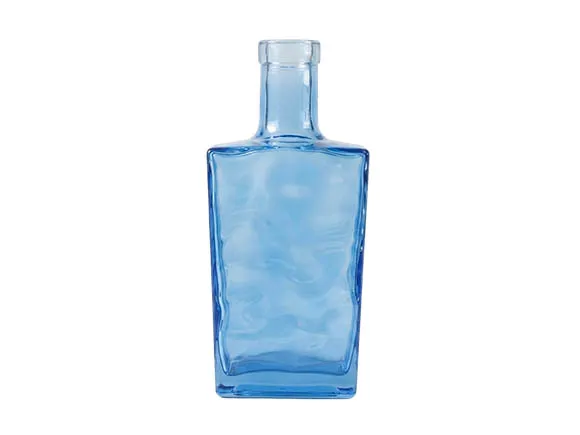
Spray coating. The great equalizer. Any grade works, because the coating hides the glass color completely. This is where flint glass delivers maximum value for empty liquor bottles wholesale orders.
Frosting. Acid frosting adds a soft, matte texture that diffuses light beautifully. It masks minor tint differences, making high flint and super flint visually very close once frosted.
Screen printing and labeling. On uncoated clear bottles, glass grade matters most here. Direct screen printing on a super flint glass vodka bottle looks crisp and premium. The same print on standard flint still looks good — just slightly less sharp against the greenish cast.
Premium decoration and luxury packaging. Gold foil, metallization, deep embossing, and custom closures pair best with higher-grade glass. When every element says “luxury,” a green-tinted base undermines the story.
How a Glass Liquor Bottle Manufacturer Can Help You Make the Right Choice
Material selection should start before production
Glass grade should be discussed during concept development, not after the mold is finished. The grade affects the expected appearance, quotation, sampling plan, and sometimes the production schedule. Early decisions reduce redesign risk.
Look beyond bottle price
Compare the complete supply proposal. Consider mold charges, sample fees, decoration, packaging cartons, loading method, inspection standard, breakage protection, lead time, and shipping efficiency. The lowest unit price is not always the lowest total cost.
Work with an experienced packaging partner
A capable supplier should ask about the product’s color, alcohol category, retail position, bottle weight, decoration, order quantity, market regulations, and target launch date. It should also provide clear samples and explain what its flint grades mean in practical terms.
For example, a partner such as Roetell Glass can help a brand evaluate material choices according to product positioning, decoration requirements, order quantity, and budget. That kind of conversation is more useful than simply requesting “the clearest bottle” or comparing a list of unit prices. For buyers seeking liquor bottles wholesale, glass liquor bottles wholesale, wholesale liquor bottles, or glass spirit bottles wholesale, the right recommendation should fit the entire packaging plan.
Final Thoughts: Choose the Glass Grade That Fits Your Brand
Flint, high flint, or super flint — there is no single “best” glass grade. There is only the best grade for your product, your market, and your budget.
Standard flint keeps costs down and disappears under decoration. High flint delivers the bright, clean look most spirits brands need at a sensible price. Super flint turns a bottle into a luxury object that sells itself on the shelf.
Match the glass to your brand’s story, and your packaging will do half the selling for you. And when in doubt, ask your glass spirit bottles wholesale partner to show you physical samples side by side. Seeing the difference with your own eyes is worth a thousand spec sheets.