


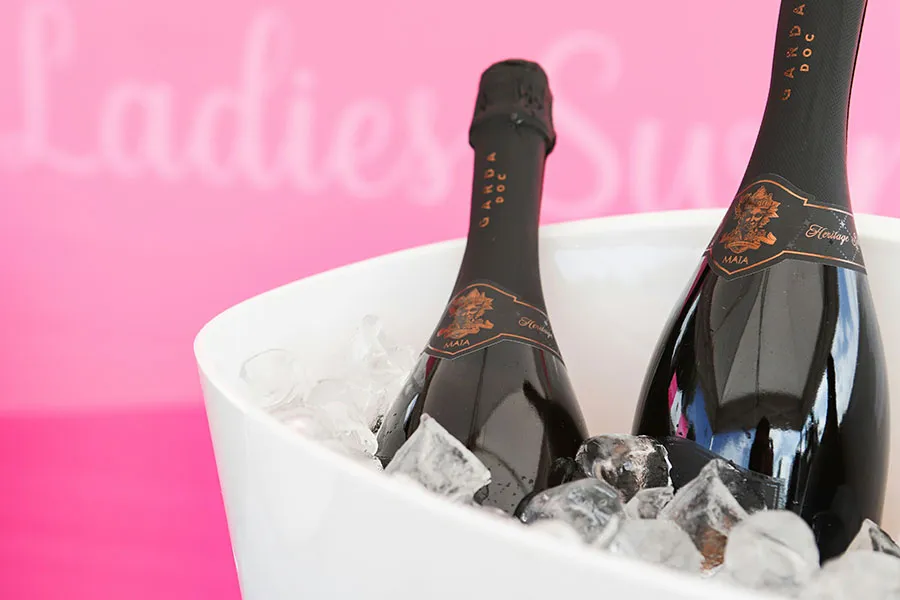
A Champagne Bottle Is More Than Just Packaging
Here is a fun fact to start with: when you open a bottle of champagne, the carbon dioxide inside pushes against the glass with a pressure of around 6 to 8 atmospheres. That is roughly three times the pressure inside a car tire. Now imagine trusting your sparkling wine to a bottle that was not built for that kind of stress.
Not a great idea, right?
A champagne glass bottle does far more than hold a drink. It protects it, presents it, and in many ways, it is the brand on the shelf. Long before a customer tastes your sparkling wine, they see the bottle. The weight, the curve of the shoulder, the way light moves through the glass — all of it sends a message.
That is why choosing the right champagne wine glass bottle supplier is one of the most important purchasing decisions a sparkling wine brand can make. And yet, many buyers approach it the same way they would order office supplies: compare a few quotes, pick the cheapest one, move on. Later, when bottles arrive with inconsistent wall thickness or a neck finish that does not match their corks, the celebration is over before it begins.
This guide walks you through what to actually look for, step by step, whether you are a wholesaler building a wholesale champagne bottles catalog, a retailer stocking mini champagne bottles in bulk, or a brand launching your very first cuvée.
First, Know What Kind of Champagne Glass Bottle You Need
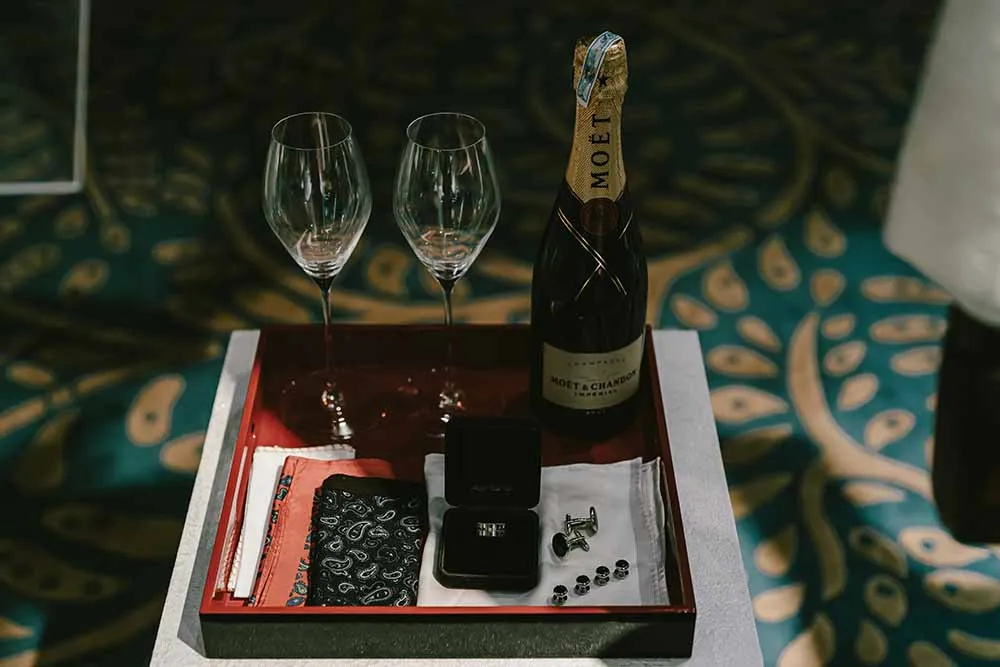
Before you send a single inquiry email, get clear on your own requirements. You would be surprised how many buyers contact a champagne wine glass bottle manufacturer without knowing what they actually want. The result is vague quotes, slow conversations, and a lot of back-and-forth that could have been avoided.
Choose the Right Bottle Size
Champagne and sparkling wine come in more sizes than most people realize, and each one serves a different purpose:
Standard 750ml — the classic. Best for restaurants, bars, and retail shelves.
Magnum champagne bottle (1.5L) — feels celebratory and premium. Also popular for gifting and events.
Small champagne bottles and mini champagne bottles — the 187ml and 375ml formats that are exploding in popularity at weddings, corporate events, and travel retail.
The small format market is worth paying attention to. Buyers searching for mini champagne bottles bulk are usually not hobbyists — they are event planners, wedding suppliers, and retailers who need thousands of units at once. If your brand targets this segment, make sure your supplier can actually produce empty champagne bottles in smaller formats with the same quality standards as their full-size lines. Some manufacturers treat mini formats as an afterthought. The good ones treat them as a main product line.
Standard Bottle or Custom Design?
Most suppliers offer a catalog of standard champagne bottle shapes — the classic punt, the flared lip, the sleek contemporary profiles. For many brands, especially newer ones, a standard shape with custom decoration is more than enough. We will come back to that.
Custom molds are a bigger investment, but they make sense when you want a silhouette that is unmistakably yours. Think of the most famous champagne bottles in the world. You can recognize most of them from across a room. That recognition starts with a distinctive shape.
Think About Appearance and Brand Positioning
A bottle should match your brand story, not just follow whatever happens to be trending this season. A minimalist prosecco brand probably wants a clean, elegant bottle. A bold, youthful brand might go for heavier glass, a colored tint, or an unusual finish.
Before comparing suppliers, ask yourself: if my bottle sat on a shelf next to ten competitors, would a customer pick it up? If the answer is “probably not,” the problem may not be your wine — it may be your packaging brief.
Make Sure the Supplier Understands Sparkling Wine Bottles
Champagne Bottles Have Different Technical Requirements
This is the part where champagne bottles separate themselves from ordinary glass packaging. A standard still-wine bottle is built for still wine. A champagne bottle carries pressurized liquid, and that changes everything:
Thicker glass walls — typically around 1.5 times thicker than standard wine bottles
A heavier base and deeper punt — for structural strength and stability
Reinforced necks — because the cork and wire cage are under constant pressure
Higher annealing standards — the cooling process matters for durability
Any champagne wine glass bottle manufacturer you work with should understand these requirements without you having to explain them. If you ask a potential supplier “what makes your champagne bottle different from a regular wine bottle?” and they pause awkwardly, that pause is your answer.
Ask About Quality Testing and Inspection
A reliable supplier tests its bottles — for internal pressure resistance, thermal shock, impact strength, and more. The key question is not only whether they test, but whether they can explain it clearly.
A good supplier will describe their quality control process in plain language, not drown you in jargon. You should not need an engineering degree to understand how your bottles are inspected. If a supplier can walk you through their testing process in a five-minute conversation, that is a very good sign. If they send you a wall of technical terms and nothing else, ask again.
Look Beyond the Bottle Price
A low unit price is tempting. We get it — budgets are real. But the cheapest quote often ends up being the most expensive mistake in disguise.
Calculate the Total Packaging Cost
Look at the full picture: bottle cost, decoration, closures, corks, wire cages, shipping, breakage rates, storage, and the cost of your own time spent managing problems. A bottle that costs 10% less but arrives with a 3% breakage rate is not actually cheaper.
Compare Quotes Based on the Same Specifications
This sounds obvious, but it happens all the time. One supplier quotes standard flint glass, another quotes extra-flint. One includes the punt depth, the other does not. Before you compare prices, make sure you are comparing identical specifications. Ask each supplier for the same written spec sheet: capacity, weight, wall thickness, neck finish, color, and packaging method.
Ask About Volume Pricing
If you are buying champagne bottles bulk, volume pricing matters enormously. Most suppliers offer tiered pricing, and the difference between a 10,000-unit order and a 50,000-unit order can be substantial. Do not be shy about asking. Any champagne wine glass bottle supplier worth working with will be upfront about their pricing tiers.

Check the Supplier's Manufacturing Capacity

Can They Handle Your Current Order?
Ask directly: what is your monthly output for champagne bottles? What is your current lead time? A supplier might make beautiful samples and still struggle to deliver 100,000 units on schedule.
Can They Grow With Your Brand?
Your first order might be 5,000 bottles. Your second might be 50,000. Your third might include mini formats, magnums, and a custom-decorated line. Before committing, think one step ahead. Can this supplier scale with you, or will you outgrow them in a year and have to start the search all over again?
Review Customization Options Carefully
Customization helps a champagne brand stand out on a crowded shelf. But buyers should understand what is realistically possible.
Bottle Decoration Options
Most suppliers offer several decoration methods:
- Screen printing — durable and great for bold logos
- Frosting — elegant, premium feel
- Spray color and metallic finishes — eye-catching for gift and event markets
- Embossing — subtle, classic, permanently part of the glass itself
- Labeling — flexible and cost-effective for brands that update designs often
For buyers in the small-format market — think bulk mini prosecco bottles for weddings or mini sparkling wine bottles for party favors — decoration flexibility matters even more. Mini bottles are often sold as gifts or keepsakes, so presentation carries extra weight.
Custom Bottle Molds
If you want a unique bottle shape, you will need a custom mold. This typically involves a tooling fee and a longer timeline. For established brands, it can be absolutely worth it. For newer brands, it deserves careful thought.
Start Simple When Necessary
Here is a practical tip that saves a lot of money: you do not need a custom mold to build a distinctive brand.
Many successful champagne and prosecco brands create a signature look through decoration, color, and labeling alone. A well-chosen standard bottle shape with a striking frosted finish or an embossed logo can look just as premium as a fully custom design — at a fraction of the cost. This approach is especially useful for new brands testing the market. Launch, learn, and invest in custom tooling once you know what works.
Check Bottle and Closure Compatibility
Pay Attention to the Bottle Neck Finish
The neck finish — the shape and dimensions of the bottle opening — determines which corks, cages, and capsules will fit. This is where many first-time buyers get caught. They order bottles, order closures separately, and discover the two do not match.
Before placing any order, confirm the neck finish specification in writing and make sure your closure supplier works with the same standard. A millimeter of difference can mean thousands of unusable bottles.
Consider Your Complete Packaging System
Think of your packaging as a system, not a collection of parts: bottle + cork + wire cage + capsule + label + carton. If any piece fails, the whole system fails. A good supplier will understand this and may even be able to advise on compatible closures or arrange them for you.

Evaluate Packaging and International Shipping Experience
Glass bottles are beautiful. They are also heavy and, unfortunately, breakable. A standard pallet of champagne bottles can weigh over a thousand kilograms. Logistics matter.
Check How the Bottles Are Packed
Ask about the packing method. Bottles should be separated and protected — with dividers, shrink wrap, or sturdy cartons on pallets — not thrown loosely into a container. Also ask about breakage rates and what happens if damaged bottles arrive. A supplier confident in their packaging will have a clear answer.
Ask About Shipping Options
Sea freight is standard for bulk orders of champagne bottles bulk. Air freight is faster but expensive — usually reserved for samples or urgent small orders. A supplier with real export experience will walk you through the options and help you weigh cost against timeline.
Experience With Export Markets Matters
Shipping glass internationally involves customs, documentation, and regulations that vary by destination. A supplier with experience in your market will already know the requirements. That saves time, money, and a fair amount of stress. If a supplier has never shipped to your region before, that does not automatically disqualify them — but ask more questions.
Review Certifications and Documentation
Ask for Relevant Product Information
Depending on your market, you may need documentation such as material safety information, quality test reports, or certificates related to food-contact packaging. A professional champagne wine glass bottle manufacturer will have this documentation ready, or be able to produce it quickly.
Make Sure the Documents Match Your Market
Requirements differ across regions and countries. What works for the EU may not work for the US, and vice versa. Confirm early that your supplier’s documentation aligns with your destination market’s regulations. Discovering a documentation gap after the shipment arrives is the kind of surprise nobody enjoys.
Communication Can Tell You a Lot About a Supplier
This part rarely appears in formal guides, but experienced buyers know it matters enormously. Your supplier relationship is a working partnership, and communication is the foundation.
How quickly do they respond? Not every email needs an answer within the hour, but a supplier who takes a week to reply to a simple inquiry during the sales process will probably not get faster after you have paid.
Do they understand your questions? A supplier who asks thoughtful follow-up questions is often more valuable than one who instantly says “yes” to everything. Instant yeses sometimes turn into slow problems later.
Are they clear when problems appear? Every manufacturer, in every industry, hits occasional problems. The question is how they handle it. A supplier who communicates honestly about a delay is worth keeping. One who goes quiet until the shipping date has passed is not.
Why Long-Term Supplier Relationships Matter

Champagne and sparkling wine brands do not usually buy packaging once and move on. They reorder. They expand. They launch new formats, seasonal editions, and limited collections. Over time, a consistent packaging supplier becomes part of the brand’s foundation.
A long-term relationship simplifies everything: repeat orders become routine, quality stays consistent, and future product development moves faster because the supplier already understands your standards and style.
This is where established manufacturers like Roetell Glass fit naturally into the picture. Brands that start with standard formats — say, a 750ml line plus mini champagne bottles bulk for the events market — often find they need more customized solutions as they grow: a frosted finish here, an embossed logo there, eventually a unique mold for a flagship product. Working with a manufacturer that can support both standard and customized production means the relationship can grow along with the brand, instead of restarting from zero every time.
The best part? That kind of continuity is invisible to the customer but very visible in the product. Consistent glass quality, consistent color, consistent weight — these are the quiet details that build trust on the shelf.
Final Thoughts: Choose a Partner, Not Just a Champagne Bottle Supplier
Choosing a champagne glass bottle supplier is not really a one-time purchase. It is the start of a relationship that shapes your product every single day it sits on a shelf.
The best supplier is not necessarily the one with the lowest quote. It is the one who consistently delivers the right bottle, at the right quality, with fewer surprises along the way. The one who answers questions clearly, tests their products seriously, packs their shipments carefully, and grows alongside your brand.
Because in the champagne business, surprises are wonderful — but they should be saved for the cork, not the supply chain.
Cheers to finding a supplier worth keeping.