


Choosing a glass bottle manufacturer is not simply a matter of finding the lowest price per piece. The bottle must protect the product, match the brand, run smoothly on the filling line, arrive on schedule, and remain commercially sensible after freight and packaging costs are added. A bottle that looks beautiful in a sample room but causes problems during filling is not a good bargain. It is an expensive decoration.
For beverage companies, food producers, cosmetics brands, pharmaceutical businesses, retailers, wholesalers, and distributors, the right packaging partner should offer more than a catalogue. The best glass bottle suppliers understand materials, moulds, closures, decoration, quality control, export packaging, and the practical pressure of a launch date.
This guide explains how glass bottles are made, what standards buyers should check, and how to compare glass bottle manufacturers before placing a wholesale order. It also covers the difference between a manufacturer and a trading supplier, because those two business models can look similar online while offering very different levels of control.
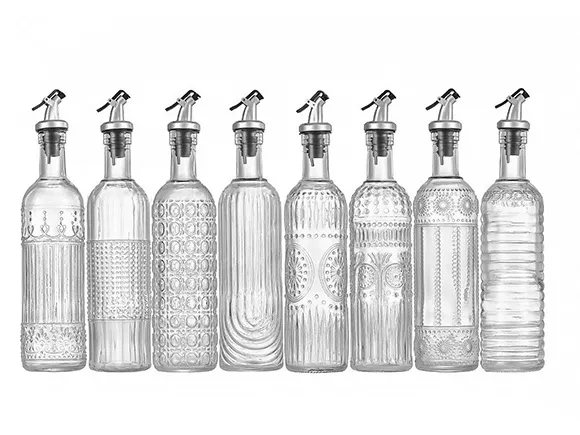
Why Glass Packaging Still Rules the Wholesale Market
Glass remains one of the most trusted packaging materials in the world. It is used for wine, spirits, beer, juice, sauces, honey, essential oils, skincare products, perfume, medicines, and many other products. According to a recent Thomas Industry overview, the global glass bottle market was valued at approximately $44.9 billion in 2025 and is projected to reach $78.2 billion by 2035, with a compound annual growth rate of 5.7% .
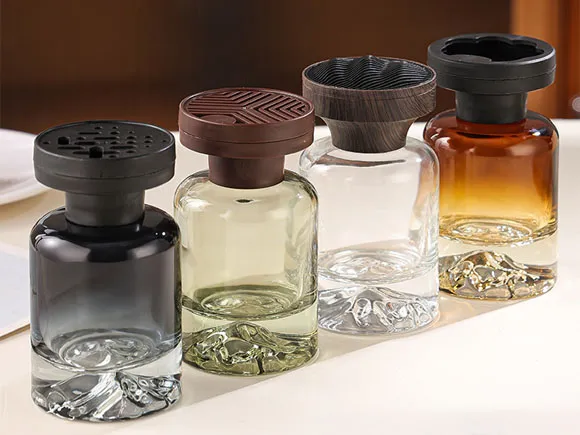
100% Recyclable and Impermeable: The Quality Advantage
One of the biggest reasons brands choose glass bottles is their excellent barrier performance.
Unlike some plastic packaging, glass does not easily interact with the product inside. It helps protect taste, aroma, color, and quality, making it suitable for sensitive products such as wine, spirits, sauces, essential oils, and pharmaceutical liquids.
Glass is also 100% recyclable. A glass bottle can be recycled repeatedly without losing its basic quality. This makes glass packaging attractive for brands that want to improve their sustainability image.
For food and beverage companies, this advantage is especially important. A consumer opening a glass bottle expects freshness and quality before even tasting the product.
From a manufacturing perspective, professional glass bottle manufacturers also focus on durability. The bottle must handle filling, transportation, storage, and daily use without failure. Proper glass composition, forming technology, and annealing processes all influence final performance.
Premium Shelf Appeal & Brand Identity
A glass bottle can make an ordinary product look considered and distinctive. The weight, clarity, shape, colour, and surface finish all contribute to the customer’s first impression. A heavy flint bottle may communicate premium spirits. Amber glass can suggest protection and tradition. Green glass is strongly associated with many wine and beer categories. Frosted glass can give a cosmetic or skincare product a softer, more luxurious appearance.
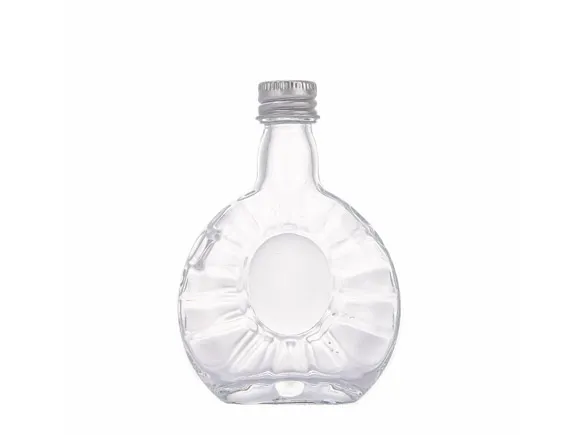
Shape also matters. A custom glass bottle can become part of a brand’s identity, not just a container with a label stuck on it. A distinctive shoulder, base, embossing pattern, or neck finish may help a product stand apart on a crowded shelf. The bottle should still be practical, however. A dramatic shape that cannot be palletized efficiently may win attention and lose money.
How Glass Bottles Are Made
You do not need to become a glass engineer. But a basic understanding of the process helps you ask smarter questions and spot a weak supplier faster.
From Raw Material to Finished Bottle
Most container glass is made from a mixture of silica sand, soda ash, limestone, cullet (recycled glass), and selected additives. The exact formula depends on the required colour, clarity, chemical resistance, and application requirements. After being carefully weighed and mixed, the raw materials enter a furnace where they melt at high temperatures into a consistent glass liquid.
The molten glass is then divided into measured portions called gobs and transferred to forming machines. Through moulds and compressed air, each gob is shaped into the desired bottle design. The newly formed bottles pass through an annealing lehr, where controlled cooling removes internal stress and improves strength. Without proper annealing, bottles may become more vulnerable to cracking during filling, transportation, or daily use.
After cooling, bottles undergo quality inspections to check for defects such as cracks, bubbles, stones, uneven walls, dimensional errors, and imperfect finishes. Based on customer requirements, bottles can receive further treatments, including frosting, coating, screen printing, hot stamping, embossing, colour spraying, and other decorative processes. Finally, finished bottles are carefully packed in cartons, pallets, trays, or customized protective packaging before shipment.
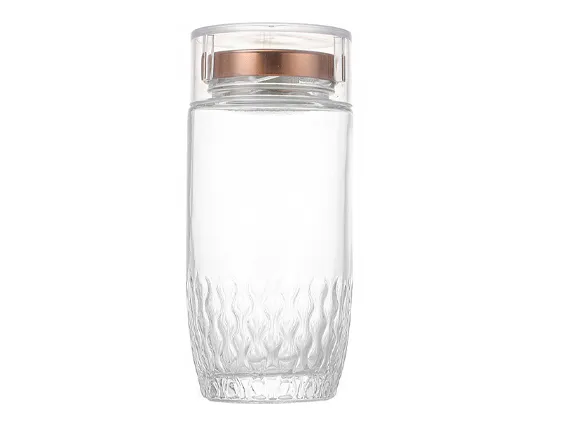
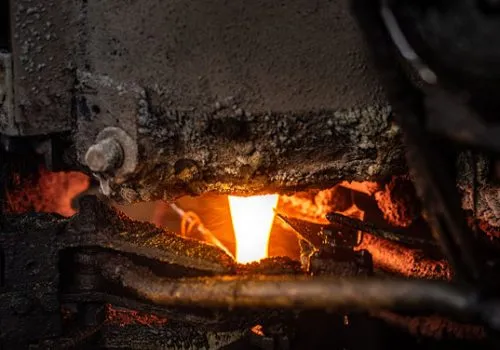
Why the Manufacturing Process Affects Your Bottle Quality
A bottle is the result of multiple connected production steps, and even a small issue can affect the final quality. Incorrect gob weight may influence bottle balance, worn moulds can create dimensional problems, and insufficient annealing may increase the risk of breakage. Weak inspection systems can also allow defects to reach customers.
This is why buyers should evaluate whether a manufacturer has proper control over mould design, forming, inspection, packaging, and after-sales support. A reliable factory should have clear production records and quality procedures for each stage instead of depending on manual experience or chance.
For custom projects, mould quality is especially important. The mould determines the bottle’s basic shape, tooling cost, development time, and production consistency. Before mould approval, buyers should confirm key details such as bottle dimensions, capacity, neck finish, glass colour, weight, tolerance, decoration area, and closure compatibility. Making changes after mass production starts can increase costs and delay delivery.
Types of Glass Bottles and Key Industry Standards
Different products require different bottle designs. The right packaging solution depends on factors such as product formula, filling method, closure system, shelf life, transportation conditions, and brand positioning.
Beverage, Food, Cosmetic, and Pharma Glass Bottles
Beverage bottles are widely used for wine, spirits, beer, juice, water, cocktails, and functional drinks. Depending on the product, they may require specific neck finishes for corks, screw caps, crown caps, or other closures. The bottle must also perform reliably during filling, capping, pasteurization, refrigeration, and transportation when required.
Food glass bottles are commonly used for sauces, syrups, honey, vinegar, oils, jams, and dressings. Different products require different designs. A wide mouth is suitable for thicker contents, while a narrow neck provides better pouring control. Closures and liners are equally important because poor sealing can lead to leakage and product loss during storage or shipment.
Cosmetic and perfume bottles focus more on appearance and brand presentation. Clear glass, frosted glass, coloured glass, thick-bottom designs, and decorative finishes are widely used for skincare, fragrance, haircare, and personal-care products. Buyers should also evaluate compatibility between the glass, coating, decoration, closure, and the product formula over time.
Pharmaceutical glass bottles require stricter control due to product safety requirements. Depending on the application, manufacturers may need to meet requirements related to glass type, dimensional accuracy, cleanliness, and documentation. A bottle suitable for general packaging is not automatically suitable for pharmaceutical use.
FDA, SGS, and Quality Certifications to Look For
When choosing glass bottle suppliers, buyers should check whether the manufacturer can provide compliance documents suitable for their target market and product category. Depending on the application, these may include food-contact documents, migration test reports, material declarations, factory audit records, and quality inspection reports.
For products sold in the United States, FDA-related compliance documents may be required. SGS testing or inspection reports can also support quality verification, but SGS itself is an independent testing and inspection organization rather than a universal product approval. Buyers should always confirm what was tested, according to which standard, and whether the results apply to their specific packaging.
For international brands selling in Europe, regulatory requirements are becoming increasingly important. With the EU Packaging and Packaging Waste Regulation (PPWR) taking effect from 2026, packaging suppliers are facing stricter expectations regarding material safety, recyclability, documentation, and environmental compliance. Glass bottle manufacturers may need to support customers with additional compliance materials, including heavy metal testing reports and relevant chemical testing such as PFAS (Per- and Polyfluoroalkyl Substances) assessments when applicable.
Beyond certificates, buyers should review the manufacturer’s internal quality system. Important quality controls may include raw material inspection, mould checks, dimensional testing, glass stress testing, visual inspection, sampling procedures, batch traceability, and breakage analysis. Certifications are valuable, but consistent quality still depends on a well-managed production process.
How to Choose the Right Glass Bottle Manufacturer
MOQ and Wholesale Pricing
Minimum order quantities range wildly. Domestic US plants often want full furnace runs, which can mean hundreds of thousands of units. Offshore factories may accept 10,000 to 30,000 pieces.
Wholesale pricing follows the same logic. A custom glass bottle from a US plant might cost several times more per unit than one from a china glass bottle manufacturer — before you add freight and duty. Run the landed cost, not the unit price. That is the number that pays the bills.
Customization: Decorating, Frosting, Embossing
If you want a custom glass bottle with your logo molded into the glass, you need mold development. Budget roughly $2,000 to $3,500 per mold, plus a few weeks of sampling. Decorating options — screen printing, spray color, frosting, embossing — add cost per unit but can transform shelf presence.
Custom bottle manufacturers that handle design in-house save you the pain of translating your idea through three different companies. Bring your concept, and let them engineer it.
Production Capacity and Lead Times
Lead time should include mould design, tooling, sampling, sample approval, production, inspection, packing, and shipping. International buyers should also allow time for customs clearance and inland delivery. If a supplier promises an unusually short schedule without asking many technical questions, be careful. Speed is useful, but imaginary speed is not.
Manufacturer vs Supplier: Which One Fits Your Business
This distinction matters more than most buyers realize. True glass bottle suppliers who also manufacture give you direct control over quality, tooling, and scheduling. Distributors hold stock and will sell you 5,000 pieces, but the direct line to the factory disappears — and your unit price goes up.
Order a full container directly from the factory. Order a pallet from a distributor. There is a place for both in this market, but know which one you are talking to.
How the Sourcing Process Works, Step by Step
Working with glass bottle manufacturers follows a predictable path. Here is the road map.
Requirements → Samples → Mass Production → Delivery
Step one: share your requirements. Capacity, shape, color, neck finish, closure type, and decoration. The more precise you are, the faster everything moves.
Step two: design and sample approval. You receive drawings, then physical samples. Test them with your caps and your product. Fill a few, ship a few, drop one on the floor. This is the cheap stage to find problems.
Step three: mass production and quality control. Insist on pre-shipment inspection, whether by your team or a third party. Check sealing performance, glass thickness, and decoration adhesion against your approved samples.
Step four: shipment and after-sales support. Confirm packaging specs before loading, track the container, and agree in advance how defects found on arrival will be handled. A professional partner puts this in writing without you asking.
Final Thoughts
The right glass bottle manufacturer is a long-term packaging partner, not simply the supplier with the fastest quotation. Buyers should evaluate production control, clear specifications, realistic lead times, suitable compliance documents, communication efficiency, and a quality system that can be clearly explained.
Whether you need standard glass bottles, perfume containers, food jars, beverage packaging, or a custom glass bottle, start with detailed requirements and samples. Compare the overall value instead of focusing only on unit price. Confirm mould ownership, production location, quality handling procedures, and support for future repeat orders.
A capable custom glass bottle manufacturer can make the journey from concept to mass production much easier. Roetell Glass provides a practical option for businesses looking for a China glass bottle manufacturer, with eight production lines, customization capabilities, and export experience. Buyers can request samples by sharing product type, capacity, design requirements, quantity, and destination.
In the end, quality packaging should protect the product, strengthen brand identity, and support reliable supply. This is the standard businesses should consider when choosing among glass bottle suppliers.