


Maple syrup is more than a sweet topping. For many customers, it represents a place, a season, and a careful production process that begins in a forest and ends on a breakfast table. Packaging therefore matters. A maple syrup bottle must protect the product, support safe distribution, and communicate the quality behind every drop.
This is why glass maple syrup bottles remain a popular choice among syrup producers, food brands, retailers, and distributors. Glass offers a clean, stable container for a natural food product. It also gives brands a better canvas for shape, labeling, decoration, and premium presentation. From small farm producers to large manufacturers buying maple syrup bottles wholesale, the right packaging can influence both product performance and customer perception.
This guide explains why maple syrup traditionally comes in glass, what brands should consider when sourcing bottles in bulk, and how glass compares with plastic for modern syrup packaging.
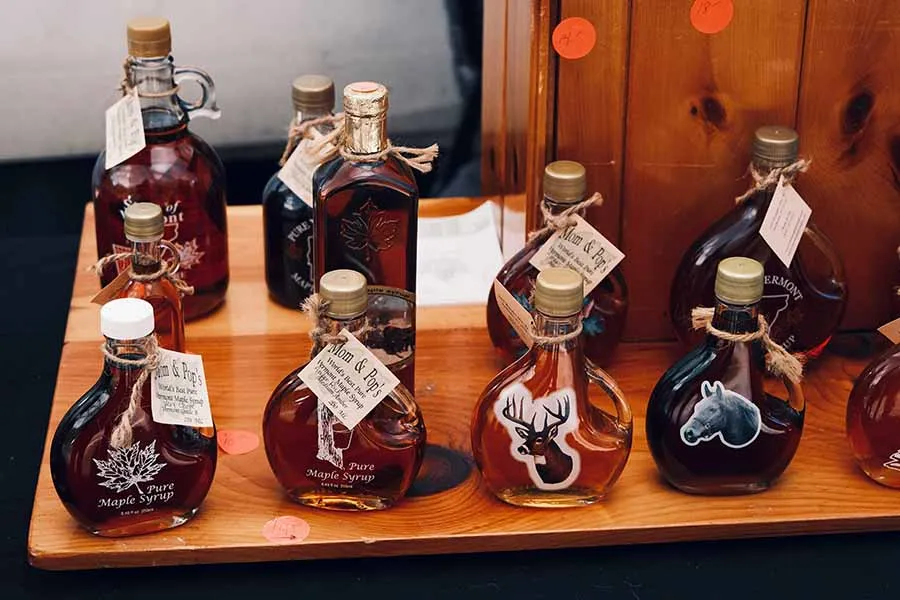
1. Glass Helps Preserve the Natural Quality of Maple Syrup
Maple syrup contains sugars, minerals, water, and a range of natural flavor compounds. Its color and flavor are important selling points, especially for premium syrup. A suitable container should protect these qualities rather than introduce new problems during storage.

Glass Is Chemically Stable and Food Safe
Glass is widely used for food and beverage packaging because it is chemically stable and non-porous. In practical terms, it does not easily react with the syrup inside. It also does not absorb the product’s aroma or transfer unwanted odors into food when the bottle is correctly manufactured and used.
That stability helps preserve the qualities customers expect from a good maple syrup bottle: the original maple aroma, natural sweetness, clean taste, and familiar appearance. The bottle should not become part of the flavor story. Ideally, the syrup remains the only thing customers notice when they open it.
Glass also provides a reliable surface for food-contact packaging. Of course, syrup brands still need to confirm that the selected bottle, closure, coating, and decoration meet the food-contact requirements of their target market. Supplier documentation and quality testing are essential, particularly for brands exporting to North America, Europe, or Southeast Asia.
Glass Helps Protect Syrup Color and Flavor
The packaging material can affect how syrup changes over time. The reference article from the Vermont Maple Farmers Collective notes that oxygen can slowly migrate through some plastic containers, while glass and metal provide a stronger barrier. It also cites University of Vermont testing in which light transmission in syrup stored in commonly used HDPE plastic jugs declined by approximately 2.6% per month.
This detail matters because maple syrup grades are associated with light transmission. The commonly recognized ranges include Golden at 75% or above, Amber from 50% to 74.9%, Dark from 25% to 49.9%, and Very Dark below 25%. The broader lesson is simple: brands should consider how packaging supports quality throughout the product’s shelf life.
Light, temperature, filling conditions, headspace, and closure performance also matter. Still, a well-designed glass package gives manufacturers a strong starting point for protecting a natural product.
2. Glass Bottles Protect Maple Syrup During Storage and Transportation
Maple syrup often travels from a farm or processing facility to a distributor, warehouse, supermarket, specialty store, or restaurant. During this journey, the packaging may experience vibration, stacking pressure, temperature changes, and repeated handling. A bottle that looks attractive but performs poorly in logistics will create unnecessary costs.
Strong Barrier Protection Against External Factors
Glass creates an effective barrier against oxygen, moisture, and external odors. Because it is non-porous, it is less likely to absorb smells from nearby goods in storage. This is especially helpful when syrup is transported with strongly scented food products, spices, coffee, or cleaning materials.
The bottle’s strength depends on its design. Wall thickness, base structure, shoulder shape, neck finish, and manufacturing accuracy all influence performance. For wholesale buyers, it is important to request product specifications, sample bottles, and packaging-test information instead of judging a bottle only by its appearance.
Good secondary packaging is equally important. Bulk maple syrup bottles should use suitable dividers or trays, be packed to reduce movement, and be tested for expected shipping conditions. Buyers should evaluate the complete system, including cartons, pallets, closures, and loading methods.

Choosing the Right Glass Bottle Design for Syrup Packaging
The bottle should match the syrup’s viscosity, filling process, serving style, and sales channel. A narrow neck may create a more controlled pour, while a wider opening can make filling and cleaning easier. A flat front panel offers room for a large label, and a rounded bottle may feel more traditional or gift-oriented.
Closure compatibility is also important. Brands should check the neck finish, cap material, liner, tamper-evident function, and sealing performance. A beautiful bottle with an unreliable cap is not a successful package. The final design should be tested with the actual syrup, filling line, label, and closure before a large production order is confirmed.
3. Glass Maple Syrup Bottles Create a Premium Brand Image
A glass package can make a farm-made product look authentic without appearing old-fashioned. It can also help a large food brand present syrup as a premium ingredient rather than an ordinary commodity. This flexibility is one reason maple syrup glass bottles wholesale are used across different market segments.
For specialty stores and gift shops, glass can support a story about craftsmanship, regional identity, and natural ingredients. For supermarkets, a well-proportioned bottle can improve shelf presence and make the product easier to recognize. For hotels, restaurants, and foodservice buyers, a practical bottle can provide a clean and professional serving experience.
Labels, embossing, frosting, screen printing, and colored glass can add further distinction. The best decoration is not decoration for its own sake. It should help customers understand the product and remember the brand after they leave the shelf.
4.Unique Glass Bottle Shapes Help Maple Syrup Brands Stand Out
The Iconic Maple Leaf Bottle Design
The maple leaf is one of the clearest visual symbols associated with maple syrup. A maple leaf-inspired bottle can make the product instantly understandable and create a stronger connection with nature and origin. It may work especially well for seasonal products, regional syrup, holiday gift sets, and tourism-focused retail packaging.
The shape must still be practical. Sharp details, narrow sections, or an unstable base can complicate filling, labeling, packing, and transportation. A successful custom bottle balances visual character with production efficiency.

Custom Shapes Create More Branding Opportunities
Custom glass shapes can also reflect a brand’s personality. A tall bottle may look modern and elegant. A short, broad bottle may feel friendly and traditional. A miniature format can suit tasting sets, hospitality programs, or promotional gifts.
For syrup brands looking for customized glass packaging, manufacturers such as Roetell Glass provide options including custom shapes, surface decoration, and different bottle finishes. Working with an experienced manufacturer can help brands develop recognizable packaging without excessive development costs or unnecessary design changes.
Start with a clear design brief covering capacity, dimensions, neck finish, closure, filling method, label area, decoration, shipping region, and expected order volume. The supplier can then advise whether an existing mold, a modified design, or a new mold is most sensible.
5.Glass Bottles Support Premium Maple Syrup Retail Strategies
Better Shelf Appeal in Supermarkets and Specialty Stores
Glass can create a bright, clean appearance under store lighting. The visible syrup color becomes part of the display, and the bottle’s shape can create a recognizable block on the shelf. A strong front label can communicate grade, origin, flavor notes, certifications, and serving suggestions without making the design feel crowded.
For brands selling maple syrup bottles for sale online, attractive packaging is also useful in product photography. A distinctive silhouette gives the product more identity on a website, social media, or a digital marketplace.
Glass Packaging Works Well for Different Market Segments
One bottle style rarely fits every customer. Producers may need several capacities, from small sample sizes to family formats and foodservice containers. 8 oz maple syrup bottles are a popular direction for gifts, tasting products, and everyday household use, while larger bottles may be better for restaurants, bakeries, and bulk buyers.
A supplier with several bottle capacities can help a brand build a consistent product family. Matching shapes and finishes across different sizes make the range look organized while allowing the brand to serve multiple channels.


Sustainability is now part of packaging decision-making for many brands and buyers. Glass is made from mineral materials, can be recycled, and is familiar to consumers as a reusable food container. These characteristics make it useful for brands that want to communicate a longer-term environmental message.
Growing Demand for Recyclable Food Packaging
Glass is recyclable through established systems in many markets. Its material identity is also easy for consumers to understand. However, responsible sustainability claims should be specific. A brand should consider local recycling access, transport distance, bottle weight, recycled content, and the efficiency of its distribution system rather than making broad claims without evidence.
Glass is heavier than many plastic alternatives, which can increase transportation emissions if products travel long distances. The right choice depends on the entire life cycle and the brand’s logistics. For local and regional syrup businesses, the premium, barrier, and reuse benefits of glass may be especially attractive.
Reusable Glass Bottles Create Additional Brand Value
Customers may reuse a durable glass bottle for sauces, spices, homemade drinks, or kitchen storage. A reusable bottle can extend the relationship between the package and the customer. Brands can encourage this with a well-designed bottle and simple reuse ideas, while ensuring that decoration, coating, and closure are suitable for the intended use.
7. What Should Brands Consider When Buying Bulk Maple Syrup Bottles?
Buying wholesale maple syrup bottles requires more than comparing unit prices. A low initial price may not be economical if the bottle causes filling problems, label waste, breakage, or inconsistent supply.
Bottle Capacity and Market Requirements
Start with the market. Determine whether the main customers want single-serve, household, gift, foodservice, or industrial formats. Confirm the required fill volume, usable capacity, dimensions, and carton quantity. Buyers searching for empty maple syrup bottles should also check how much headspace the filling process needs and whether the bottle works with the chosen closure.
Bottle Shape and Customization Requirements
Decide whether a standard bottle is sufficient or whether custom branding is essential. Standard shapes usually reduce mold costs and shorten development time. Custom shapes can create stronger recognition but require design, sampling, mold development, and testing.
Also consider the label panel, decoration method, color, transparency, cap style, and compatibility with automated equipment. A design that looks impressive on paper may need adjustment before it runs efficiently at scale.
Supplier Capability and Quality Control
A reliable supplier should be able to explain its production capacity, inspection process, mold management, packaging method, and export experience. Ask about dimensional tolerances, glass defects, weight consistency, food-contact documentation, drop testing, and quality inspection records.
For brands seeking maple leaf syrup bottles wholesale or long-term supply, communication matters just as much as manufacturing. A supplier that can support sampling, artwork review, small design changes, and repeat orders is more valuable than a supplier that only offers a catalog and a price.

8. Glass vs Plastic Maple Syrup Bottles: Which Is Better?
Neither material is automatically right for every syrup business. The decision should reflect the product’s positioning, supply chain, customer expectations, and total cost.
Consideration | Glass maple syrup bottles | Plastic maple syrup bottles |
Product stability | Strong barrier and chemically stable material | Performance depends strongly on plastic type and structure |
Flavor protection | Does not usually absorb or transfer flavors when properly manufactured | Must be selected carefully to limit odor transfer and interaction |
Appearance | Premium, transparent, and highly customizable | Lightweight and practical, with many shape options |
Shipping weight | Heavier and requires protective packing | Lighter and often easier to transport |
Breakage risk | Requires careful handling and carton protection | Lower risk of breakage during ordinary handling |
Sustainability story | Recyclable and potentially reusable | Recycling and reuse depend on resin and local systems |
Best fit | Premium, specialty, gift, regional, and brand-led products | Cost-sensitive, lightweight, and high-volume distribution |
For brands competing on quality, origin, and presentation, glass bottles for maple syrup offer a compelling combination of performance and visual appeal. For businesses that prioritize minimum shipping weight or highly flexible handling, plastic may be more practical. The important point is to make the decision deliberately rather than treating packaging as an afterthought.
9. Conclusion
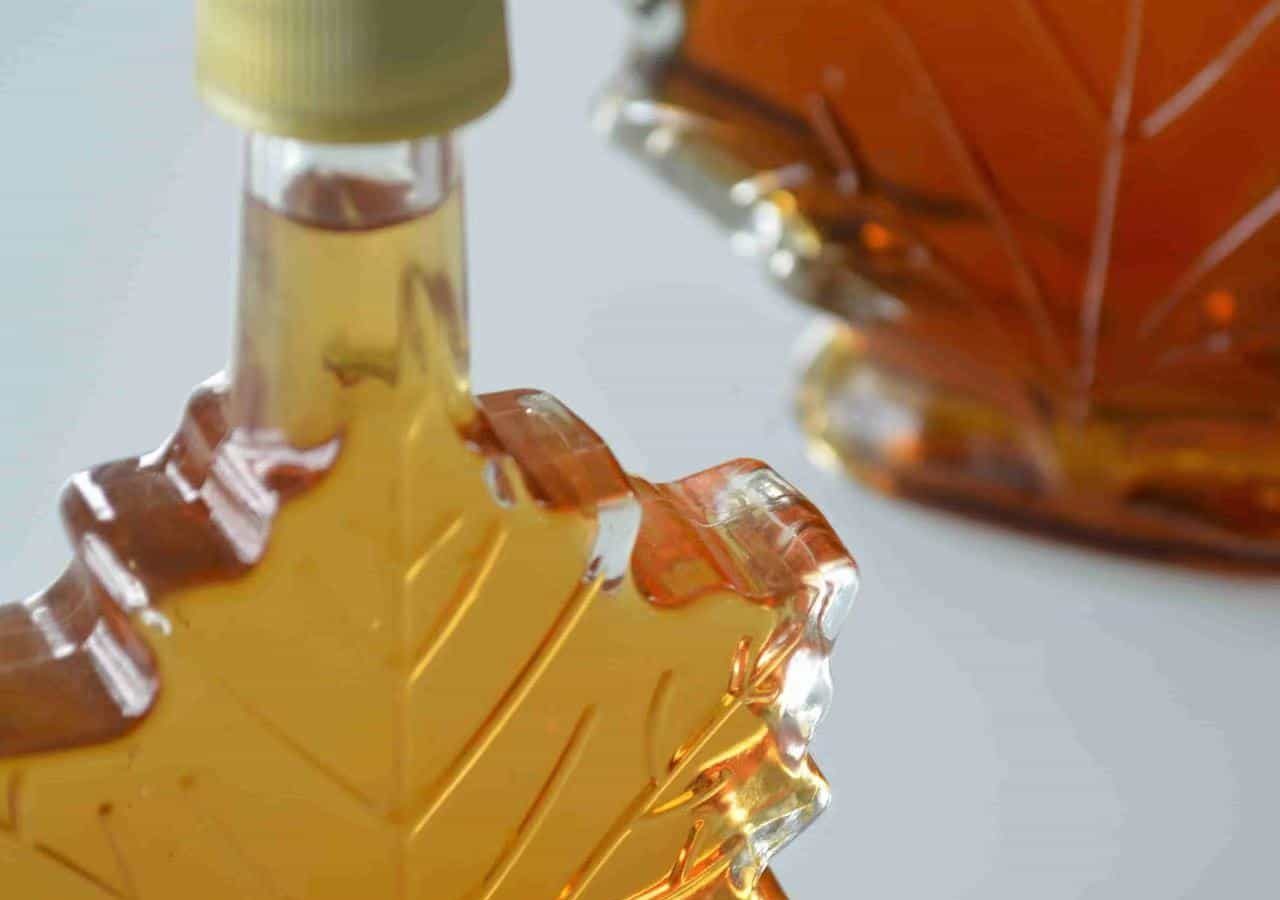
Glass remains a trusted material for maple syrup because it supports the product in several ways at once. It is stable, food-friendly, resistant to outside odors, and capable of protecting the syrup’s presentation during storage. It also gives brands a strong platform for premium design, clear labeling, custom shapes, and reusable packaging.
For producers, retailers, wholesalers, and food brands comparing maple syrup bottles wholesale options, the best bottle is the one that fits the whole business: filling line, closure, label, shipping method, retail position, and target customer. Standard glass syrup bottles can offer a fast and cost-effective starting point, while custom glass maple syrup bottles can help an established brand become more memorable.
In a market where customers care about taste, origin, quality, and presentation, the bottle is part of the product. A well-made glass bottle does not merely contain maple syrup. It helps preserve the story, protect the value, and give every pour a little more character.