


Introduction
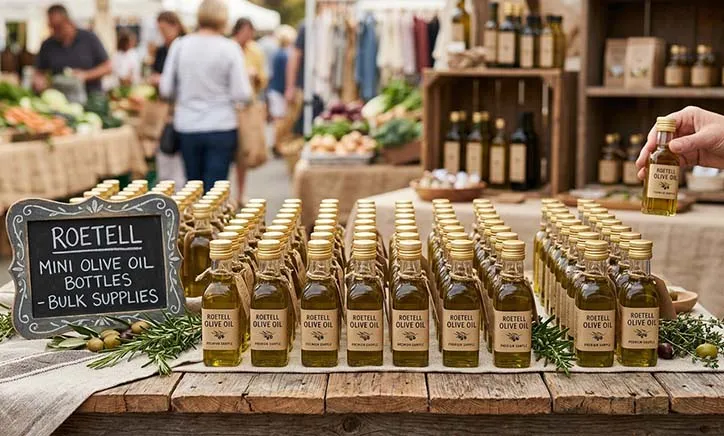
Olive oil used to come in one size: big. These days, food brands use smaller formats to win new customers, make serving easier, and create packaging people actually remember. That’s why mini olive oil bottles bulk orders are rising across food companies, restaurants, hotels, and retailers.
A small bottle lets customers try a premium extra virgin olive oil without paying full-bottle prices. It also turns a restaurant table, gift box, or hotel tray into a branded experience. For B2B buyers, the right glass package protects the oil, carries the brand, and works across sales channels.
Here’s why mini olive oil bottles are getting so much attention — and what to consider before placing a bulk order.
What Are Mini Olive Oil Bottles and Why Are They Different?
Mini olive oil bottles are small containers designed for samples, limited servings, gifts, travel, restaurant service, promotional campaigns, and specialty retail. Common capacities include 20 ml, 30 ml, 50 ml, 60 ml, 100 ml, and 250 ml. Some brands also use 375 ml bottles when they want a smaller household format without going all the way down to a sample size.
The right capacity depends on the use. A 30 ml bottle may suit a tasting kit, while a 100 ml bottle can work for a hotel amenity or retail trial product. A 250 ml bottle may be better for a restaurant table, subscription box, or food gift.
Common Sizes of Mini Olive Oil Bottles
There is no single standard definition of a mini bottle. Buyers commonly use the following groups:
•20–50 ml: Product samples, tasting events, promotional mailers, and small favors.
•60–100 ml: Hotel amenities, food pairings, wedding favors, and premium samples.
•150–250 ml: Retail trial sizes, restaurant service, subscription boxes, and gift sets.
•375 ml: Smaller household formats and premium gift packaging.
These sizes give brands more control over pricing and positioning. A customer may hesitate to purchase a premium 500 ml bottle, but a 50 ml or 100 ml size creates a lower-risk first experience.
Mini Does Not Mean Simple: The Role of Small Bottles in Brand Strategy
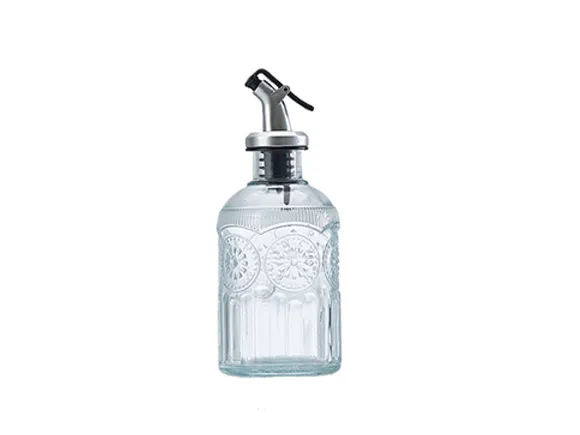
Small packaging can reduce the entry price, make a product easier to include in gift boxes, and support seasonal or limited-edition campaigns. It can also change how customers view olive oil. Instead of seeing it only as a kitchen ingredient, they may see it as a tasting product, travel item, or thoughtful gift.
This flexibility is useful for B2B buyers. One bottle style can serve different channels when the label, closure, and outer packaging are changed. That is a practical reason to consider wholesale mini olive oil bottles instead of using one large format for every market.
Why Are Mini Olive Oil Bottles in Bulk Gaining Popularity?
Smaller formats fit the way food products are now sampled, gifted, served, and sold. Bulk buying also gives brands a lower unit cost, more consistent packaging, and a stable supply for repeated campaigns.
1. Growing Demand for Product Sampling and Trial Experiences
Premium food products often need to be tasted before customers understand their value. Olive oil may be fruity, grassy, peppery, mild, or intense. Shoppers may also want to compare different origins, harvests, or blends.
Small bottles make this process simple. Producers can create two-bottle or four-bottle tasting sets without asking customers to purchase several full-size containers. Distributors can send samples to retailers and restaurant buyers. Online food brands can place a sample in a subscription package or customer order.
Appearance is important in these situations. A clean, well-made glass olive oil bottle suggests quality and provides a professional surface for a label, logo, or short product story.
2. Mini Olive Oil Bottles Create More Opportunities for Gift and Premium Packaging
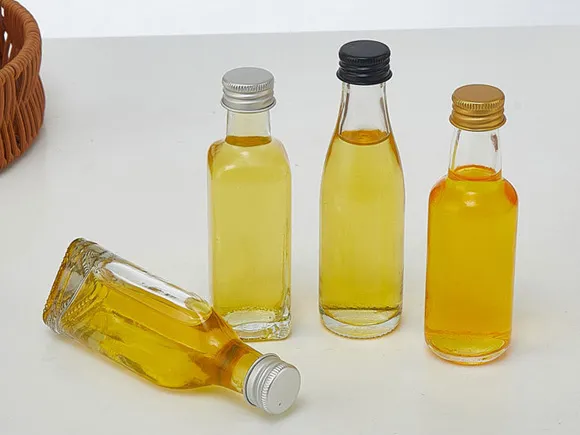
Mini bottles fit naturally into food baskets, holiday boxes, wedding favors, corporate gifts, and regional specialty collections. A set can include oils from different olive varieties, regions, or harvest periods, turning the package into a tasting experience.
The bottle shape also contributes to the gift’s appearance. A tall, slim design can look elegant in a narrow box. A short, round design may feel more traditional. A dark green glass olive oil bottle can suggest heritage while reducing the amount of light reaching the oil.
Brands do not need excessive decoration. A well-designed label, reliable closure, and coordinated carton may be enough to make the package feel intentional and premium.
3. Restaurants and Hospitality Businesses Prefer Convenient Portion Sizes
Restaurants, hotels, cafés, catering companies, and food service operators use olive oil for table service, bread service, room amenities, welcome baskets, and meal kits. A small bottle can simplify serving and provide a consistent portion.
An individually sealed bottle can also support a clear sense of freshness. In some operations, staff can replace an empty unit rather than refill a larger container. The best solution depends on local regulations and the business’s waste-management system, but demand for convenient formats continues to grow.
The closure is especially important for food service buyers. A leak-resistant screw cap, tamper-evident seal, pourer, or flip-top can affect both safety and ease of use. The choice depends on whether guests will pour the oil slowly, use it once, or take it away.
4. Private Label Brands Need Flexible Packaging Solutions
Private-label olive oil gives distributors, retailers, regional food companies, and specialty stores a way to build their own product lines. These companies may not need a large packaging program at the beginning. They need a dependable bottle that can be ordered in manageable quantities and adapted to their brand.
Buying empty olive oil bottles wholesale allows a business to source the container in bulk and complete filling, labeling, and packing according to local requirements. A flexible supplier may offer several capacities, shapes, finishes, and glass colors so the brand can test the market before expanding.
A private-label customer may use a 50 ml bottle for online sampling and a 250 ml bottle for retail. Similar shapes across both sizes can build recognition without making every product identical.
Why Glass Is the Preferred Material for Mini Olive Oil Bottles
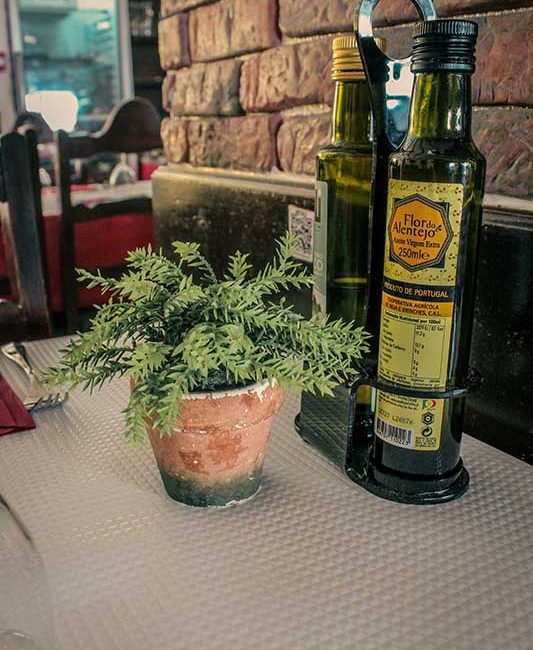
Glass remains a strong material for olive oil because it combines product protection with premium shelf appeal. It does not easily absorb odors or flavors, and it provides a stable surface for labels and decoration. Glass can also be made in different colors and shapes, giving brands more room to stand out.
The bottle should still be tested with the oil, filling line, closure, transport method, and target market. Buyers should request samples and specifications before approving a large production run.
Better Product Protection and Shelf Presentation
Olive oil can be affected by light, heat, oxygen, and unsuitable storage. The International Olive Council recommends careful storage because correct conditions help preserve the product’s characteristics . A suitable olive oil glass container, especially one with a protective color and well-fitting closure, can support that goal.
The Glass Packaging Institute also notes that properly sealed glass packaging can help protect food and beverages from moisture and oxygen intrusion . These qualities are useful for a product whose aroma and flavor are central to its value.
Clear glass allows customers to see the oil, but excessive light exposure should be considered. Green, amber, or other protective colors may provide a better balance between visibility and protection.
Glass Supports Premium Branding and Custom Decoration
Glass works well with paper labels, screen printing, frosting, embossing, and other decoration methods. This gives brands more control over the appearance of their olive oil glass bottles.
An organic or estate-produced oil may use a simple label and a dark green bottle. A modern food brand may choose clear glass with a bold logo. A luxury gift line may add a textured finish or coordinated carton. Well-designed glass olive oil bottles can make a small format look polished without excessive decoration.
Glass can also feel substantial in the hand. However, heavier is not always better. Shipping cost, breakage risk, and case efficiency must be considered. The best choice is the lightest design that meets the brand’s performance and presentation needs.
How Food Brands Use Mini Olive Oil Bottles in Different Markets

Gourmet and Extra Virgin Olive Oil Brands
Gourmet brands use small formats to introduce customers to high-value products. A tasting collection may include several olive oil mini bottles with different flavor notes or origins. A 100 ml or 250 ml format can also communicate the limited nature of a special harvest or small batch.
Labels should provide accurate information about the oil, origin, quantity, storage instructions, and other details required in the target market. Attractive packaging should support clear product communication, not replace it.
Restaurants, Hotels, and Food Service Applications
Food service customers usually prioritize ease of use, consistency, and supply reliability. Mini bottles can be used for table service, room amenities, tasting menus, catering packs, or meal kits.
The package must match the working environment. Buyers should consider neck size, cap torque, pouring speed, case packing, storage space, and breakage resistance. A decorative bottle that performs poorly in a busy kitchen will not be a successful solution.
Retail Gift Sets and Specialty Food Collections
Gift-set producers may combine several mini olive oil bottles bulk with vinegar, spices, sauces, bread products, or recipe cards. Consistent bottle dimensions make the outer box easier to design and pack.
Specialty retailers also need packaging that stands out without becoming difficult to stock. A standard case size, secure closure, and suitable label area may be more valuable than an unusual shape that causes shipping or shelf problems.
What Should Brands Consider When Buying Mini Olive Oil Bottles Bulk?
Choosing the Right Bottle Capacity
Start with the use case, target price, filling quantity, and sales channel. A sampling campaign may need 30 ml bottles, while a retail gift set may need 100 ml or 250 ml units.
Test the filled bottle before making a large purchase. Headspace, oil viscosity, and pouring behavior can affect how the customer experiences the product. An empty sample may look attractive but feel awkward after filling and sealing.
Selecting the Right Bottle Shape and Color
The shape should support both the brand story and the supply chain. Consider labeling, packing, palletizing, display, and transport. A distinctive shape can improve recognition, but it should not create unnecessary case-space or breakage problems.
Clear glass can look modern and allows product visibility. Green or amber glass can create a traditional appearance and reduce light exposure. The final decision should match the oil, storage conditions, and visual identity.
Matching Closures and Accessories
The bottle and closure should be selected as one system. Check neck finish, cap compatibility, seal performance, pouring control, tamper evidence, and filling-line requirements. Options include screw caps, ROPP closures, cork-style tops, pourers, and flip-top lids.
A simple, tested closure is often better than an elaborate option that leaks during transport. Filled samples should be handled and tested before production approval.
Working with a Reliable Bulk Mini Olive Oil Bottle Supplier
A reliable supplier should provide consistent dimensions, stable glass quality, dependable packing, and clear communication. Ask about mold availability, minimum order quantity, lead time, inspection procedures, export cartons, and policies for damaged goods.
An experienced empty olive oil bottles manufacturer can also help with neck finishes, case packing, bottle color, and customization. Companies with experience in food packaging, including manufacturers such as Roetell Glass, can be useful when a brand needs both standard bottles and custom designs.
Food-contact compliance must also be checked. In the United States, food-contact substances may need to meet applicable requirements before being marketed for a specific use . Buyers should confirm the documentation required in each destination market and check the bottle, closure, coating, ink, and adhesive together.
Future Trends of Mini Olive Oil Bottles in Food Packaging
Small formats are likely to remain important for online sampling, subscription commerce, hospitality, and premium food gifts. Brands may combine mini bottles with QR codes, recipes, tasting guidance, and origin information.
Customization will also grow. Buyers may request special colors, embossed logos, custom neck finishes, or coordinated cartons. At the same time, practical performance will remain essential. A beautiful bottle that leaks, breaks, or arrives with inconsistent dimensions will damage the customer experience.
Sustainability should be considered across the full package life cycle. Glass is recyclable, but transport weight, case efficiency, reuse options, and local recycling systems also matter. Brands should make environmental claims only after reviewing their own supply chain.

Final Thoughts: Mini Olive Oil Bottles Offer More Than Just Smaller Packaging
The popularity of mini olive oil bottles comes from their flexibility. They help brands offer trials, build gift sets, serve customers conveniently, and launch private-label products at a lower entry point. When made from suitable glass and matched with the right closure, they can protect the oil while presenting a premium image.
For buyers, the key is to match the bottle with the business goal. Sampling, hotel service, retail gifting, and household use require different solutions. Capacity, glass color, shape, decoration, closure, compliance, and logistics should be reviewed together.
A well-designed glass bottle for olive oil does more than hold the product. It supports the customer’s first impression, the filling process, shelf presentation, and the brand’s long-term growth. That is why bulk purchasing has become more than a cost-saving decision. It is a practical packaging strategy for food brands that want a small bottle to work harder.